
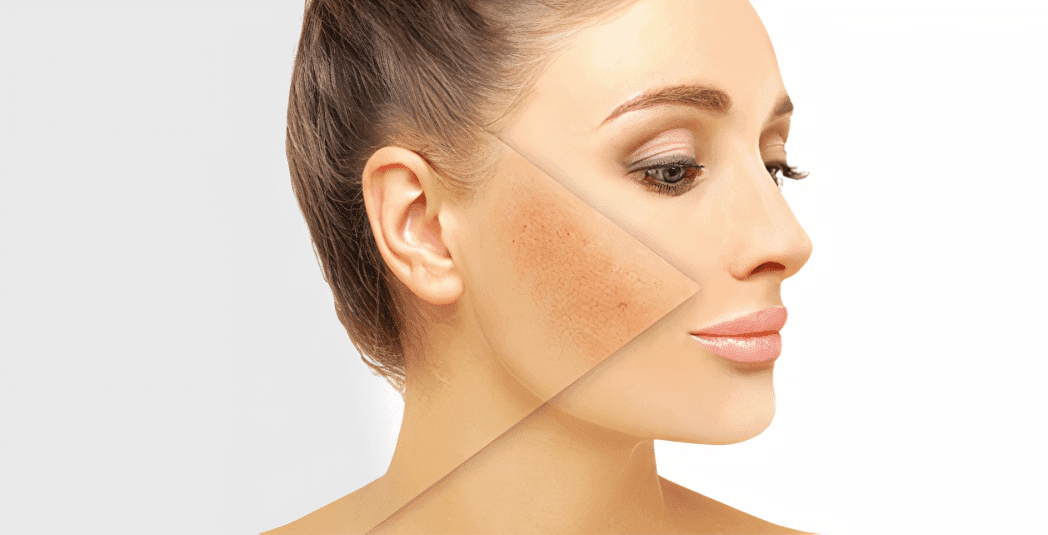
Pigmentation Treatment in Hounslow
Skin pigmentation is one of the most common concerns we treat at Skin Health Practice in Hounslow, and it is also one of the most misunderstood. Dark spots, melasma, post-acne marks, sun damage, and general uneven tone can all look similar in the mirror, yet each has a different cause — and each needs a different treatment to clear it safely. Getting the wrong treatment doesn't just waste time and money; on some types of pigmentation, and especially on darker skin, it can make the problem noticeably worse. As an Official mesoestetic Ambassador clinic, we take a clinical, assessment-first approach: we identify exactly what type of pigmentation you have and why it formed, then choose from the full range of pigmentation treatments we offer — mesoestetic Cosmelan and Dermamelan depigmentation, laser, medical-grade chemical peels, mesotherapy and skinboosters, and prescription-strength home skincare. This page is your overview of skin pigmentation treatment in Hounslow and West London; where a particular condition needs a deeper dive, we link you to the dedicated page for it.
Reviewed by Su Rixon · Aesthetic Clinician · Last reviewed April 2026
What Causes Skin Pigmentation?
All pigmentation comes down to melanin — the natural pigment produced by cells called melanocytes that gives skin its colour. When melanocytes are triggered to overproduce melanin, or to distribute it unevenly, patches of skin become darker than the surrounding area. Several things drive that overproduction. Sun and UV exposure is by far the most common: ultraviolet light directly stimulates melanocytes, which is why sun spots and age spots appear on the face, hands, and décolletage, and why almost every other type of pigmentation is made worse by the sun. Hormones are the second major driver — oestrogen and progesterone (during pregnancy, on the contraceptive pill, or with HRT) can switch melanocytes into overdrive, producing melasma. Inflammation and skin trauma leave dark marks behind after acne, eczema, cuts, or even cosmetic procedures heal — this is post-inflammatory hyperpigmentation. Ageing brings cumulative sun damage to the surface as discrete brown spots. And genetics set the baseline: your skin type and family history determine how reactive your melanocytes are in the first place. Most people actually have a combination of causes, which is exactly why a proper assessment matters before any treatment begins.
The Main Types of Pigmentation — and Where to Read More
Correctly identifying the type of pigmentation is the single most important step, because the treatments genuinely differ. Sun damage and age spots (solar lentigines) are discrete, sharply defined brown spots caused by cumulative UV exposure — they respond well to laser and peels. Melasma is a chronic, hormonally driven condition causing larger, symmetrical, blurry patches across the cheeks, forehead, and upper lip; it is prone to relapse and can be worsened by aggressive laser, so it needs specialist protocols. Post-inflammatory hyperpigmentation (PIH) is the dark marks left after spots or trauma heal, and it is especially common and stubborn in darker skin. Freckles are genetic and darken with sun exposure. Because melasma, PIH, and sun damage each warrant more detail than a hub page allows, we have dedicated guides for them — see our melasma treatment, hyperpigmentation treatment (which focuses on PIH and darker skin), and sun damage treatment pages. This page focuses on the bigger picture: how we assess your skin and choose between the treatments below.
The Full Range of Pigmentation Treatments We Offer
Rather than pushing one machine or one product, we hold a full toolkit and match it to your skin. mesoestetic Cosmelan and Dermamelan depigmentation are our flagship treatments for melasma and stubborn, widespread pigmentation — professional-grade protocols that inhibit tyrosinase (the enzyme behind melanin production) both to fade existing pigment and prevent new formation, combining an in-clinic mask with a home maintenance phase. Laser pigmentation removal targets the melanin in well-defined lesions so the body clears the broken-down pigment; it is excellent for sun spots, age spots, and freckles with sharp borders, but is used selectively and never as a blanket solution for melasma. Medical-grade chemical peels using agents such as azelaic and mandelic acid resurface the skin, accelerate cell turnover, and lift superficial pigment — well suited to post-acne PIH and mild uneven tone. Mesotherapy and skinboosters deliver brightening actives such as tranexamic acid, vitamin C, and antioxidants directly into the skin to even tone and support results. And medical-grade home skincare — the daily foundation of every plan — uses prescription-strength brightening ingredients and, critically, high-factor SPF. Most clients do best with a combination of these, sequenced over a treatment course rather than any single session.
How We Choose the Right Treatment for You
There is no universal 'best' pigmentation treatment — only the best treatment for your specific type, depth, and skin tone. Every plan starts with a thorough consultation and skin assessment, where we examine your pigmentation under proper conditions, take a full history (sun exposure, hormones, medications, previous treatments), and identify how deep the pigment sits. Superficial pigment in the upper layers responds to peels and topical actives; deeper dermal pigment, as in some melasma, needs the biochemical approach of Cosmelan or Dermamelan rather than heat-based devices. We weigh the risks honestly: if a treatment carries a real chance of making your pigmentation worse, we will tell you and offer a safer route. As an Official mesoestetic Ambassador clinic, we have particular depth in the mesoestetic depigmentation range and use authentic, professionally supplied products — not the diluted formulations sold online. The result is a plan built around your skin, not around whatever equipment happens to be in the room.
Pigmentation Treatment on Darker and Melanin-Rich Skin
Melanin-rich skin (Fitzpatrick types IV–VI — olive, brown, and dark skin) is both more prone to pigmentation and more easily harmed by the wrong treatment. Aggressive lasers, IPL, and high-concentration acid peels can trigger post-inflammatory hyperpigmentation in darker skin, meaning the treatment itself leaves new marks that are often more persistent than the original problem. This is one of the most common reasons clients come to us after disappointing or damaging experiences elsewhere. In Hounslow and West London we treat a genuinely diverse community, and treating darker skin tones safely is a core part of our expertise, not an afterthought. We favour protocols that work biochemically rather than through heat — the mesoestetic depigmentation range is a mainstay because it is safe across all skin tones — select peel types and strengths appropriate to your Fitzpatrick type, use conservative laser settings and correct wavelengths only where suitable, and always patch test first. If you have been told your skin tone limits your options, a consultation is worth booking; in most cases we can help. Our detailed hyperpigmentation treatment guide covers darker-skin care in more depth.
Why Sun Protection Is Non-Negotiable
Whatever treatment you have, daily sun protection is the single biggest factor in whether your results last. UV radiation is the primary stimulus that tells melanocytes to make more melanin, so unprotected sun exposure can undo weeks of progress and reactivate pigmentation that has just been cleared. We ask every client on a pigmentation plan to use a broad-spectrum SPF 50 every morning, reapplied through the day when outdoors, and we help you find a formula that suits your skin — including lightweight options with no white cast that are comfortable to wear on darker skin. Because most pigmentation has a tendency to return if triggers are not managed, SPF is not an add-on to your treatment; it is part of the treatment, and it is what turns a temporary improvement into a lasting one.
Realistic Results and What to Expect
We believe in honest expectations. Some pigmentation — particularly well-defined sun spots, age spots, and freckles — can be cleared and, with good sun protection, stay away long-term. Other types are managed rather than cured: melasma is a chronic condition that can be dramatically reduced but tends to recur if hormonal and UV triggers persist, so it usually needs ongoing maintenance. Post-acne marks fade with the right treatment and consistent SPF, typically over several months. Almost all pigmentation improves progressively over a course of treatments rather than in a single session, and results are best sustained with home skincare and periodic top-ups. We would rather set the right expectations from the start than over-promise, which is why every plan includes clear timescales and a maintenance strategy to protect the results you invest in.
Your Pigmentation Consultation in Hounslow
Every pigmentation treatment at Skin Health Practice begins with a free, no-obligation consultation. We assess your pigmentation type, skin tone, medical history, and any previous treatments, then talk you through which options are likely to help, which carry risk for your skin, and what realistic results look like. From there we build a personalised plan — often combining an in-clinic treatment such as Cosmelan, laser, or peels with targeted home skincare and SPF — and review your progress at each visit, adjusting as your skin responds. We are based in Hounslow, West London, and see clients from Ealing, Southall, Hayes, Brentford, Isleworth, Chiswick, Richmond, and across the surrounding area — so if you have been searching for pigmentation treatment near me, we are easy to reach. Our goal is not only to improve your pigmentation now but to give you the knowledge and routine to keep your skin clear for the long term.
Have Questions?
Our team is here to help you find the right treatment.
Why Choose This Treatment
Key Benefits
Official mesoestetic Ambassador clinic
Official mesoestetic Ambassador clinic — deep expertise in Cosmelan and Dermamelan depigmentation
Full range of pigmentation
Full range of pigmentation treatments under one roof — depigmentation, laser, peels, skinboosters, and medical skincare
Assessment
Assessment-first approach — we identify your pigmentation type and cause before recommending any treatment
Genuine expertise treating darker
Genuine expertise treating darker and melanin-rich skin (Fitzpatrick IV–VI) safely
Honest advice
Honest advice — we will steer you away from any treatment that risks worsening your pigmentation
Personalised plans combining in
Personalised plans combining in-clinic treatment with home skincare and SPF for lasting results
Convenient Hounslow location serving
Convenient Hounslow location serving Ealing, Southall, Hayes, and across West London
Frequently Asked Questions
Have Additional Questions?
Get in touch and our team will be happy to help.
You May Also Be Interested In
Related Treatments
Further reading & safety information
Independent, non-promotional guidance from UK health and professional bodies:
Start Your Journey to Clearer, Even-Toned Skin
Book your free consultation at Skin Health Practice in Hounslow. Our specialists will assess your pigmentation, identify the right treatment approach for your skin type, and create a personalised plan to help you achieve lasting results.